Follow Me On Social Media!

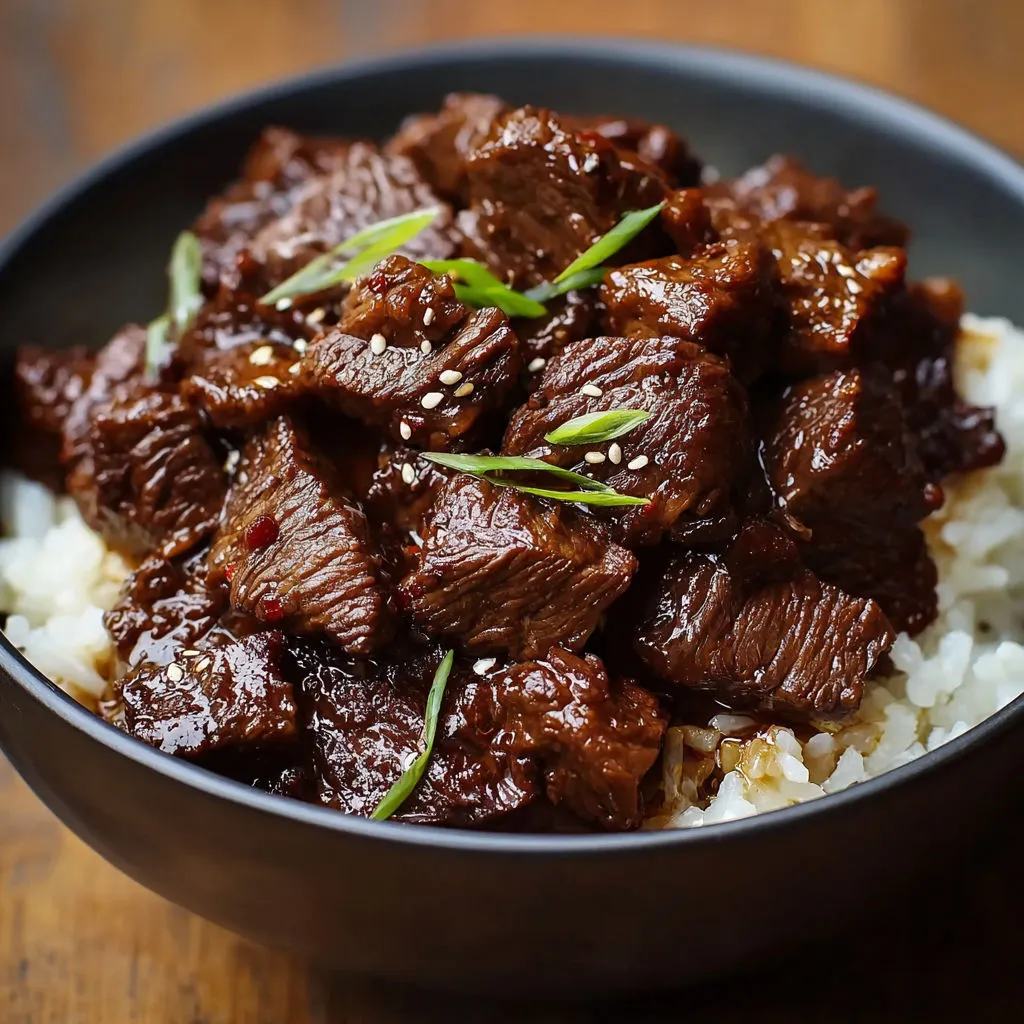
Welcome to a recipe that will transform your kitchen into a haven of mouthwatering aromas and unforgettable flavors – Slow Cooker Korean Beef. Picture this: tender chunks of beef, bathed in a savory sweet soy glaze that will leave you craving more with each bite. This dish is the perfect solution for those cozy weekends or busy weekdays when you want a meal that practically cooks itself.
There’s something truly magical about the way this Slow Cooker Korean Beef recipe effortlessly brings everyone together around the table. Whether you serve it over fluffy rice or wrap it in crisp lettuce leaves, the satisfaction is undeniable. The best part? Leftovers are just as delightful, making it a meal prep champion for those hectic days when you need a quick and delicious option on hand.
With its versatile ingredients and simple preparation, this recipe is a surefire winner for any occasion. From family gatherings to intimate dinners, Slow Cooker Korean Beef has a way of charming both kids and adults alike. So, grab your slow cooker and let’s embark on a culinary journey that promises to deliver comfort and bold flavors with every single bite.
Quick Benefits
- Chuck beef becomes tender and flavorful with slow cooking, making it a perfect choice for this dish.
- Easily adaptable to suit different preferences – adjust chili flakes for heat, swap out ingredients like vinegar or sugar, and choose gluten-free options.
- Convenient leftovers that keep well in the fridge for up to four days, and can even be frozen for future quick meals.
- Versatile serving options – enjoy over rice or in lettuce wraps, pair with different sides for a complete meal, and customize with seasonal ingredients for variety.
Why You’ll Love This Tender Slow Cooker Korean Beef Recipe Recipe
- Tender, Melt-in-Your-Mouth Beef: The chuck beef becomes incredibly tender with the long, slow cooking process, providing a satisfying melt-in-your-mouth experience.
- Savory-Sweet Soy Glaze: The savory sweet soy glaze coats every bite of beef, making each mouthful a burst of delicious flavor.
- Easy and Convenient: This recipe is perfect for a cozy weekend or hands-off weekday meal as it requires minimal prep and the slow cooker does all the work.
- Versatile and Customizable: You can easily customize the recipe based on your preferences, such as adjusting the level of spice, using different cuts of beef, or reducing the sugar content.
- Crowd Pleaser: Loved by both kids and adults, this dish is a go-to for family gatherings or quiet Sunday dinners, with everyone going back for seconds.
- Leftovers Keep Well: Leftovers can be stored in the fridge for up to four days or frozen for later enjoyment, allowing you to meal prep and enjoy the flavors even deeper after reheating.
- Adaptable for Dietary Needs: Easily make this recipe gluten-free by using tamari or coconut aminos, catering to gluten-sensitive diets without compromising on flavor.
- Family-Friendly and Festive: Whether it’s for a big birthday feast or a casual dinner, this Korean beef dish is versatile and fits any occasion or season, making it your reliable favorite all year long.
- No Fuss Cooking: With no need to brown the meat beforehand and simple ingredients, this recipe is hassle-free and perfect for busy schedules while still delivering bold and comforting flavors.
Ingredients for Tender Slow Cooker Korean Beef Recipe
Beef and Marinade
- 1 onion, diced
- 1/2 cup soy sauce
- 1/2 cup beef stock
- 1 tablespoon rice wine vinegar
- 2 tablespoons sesame oil
- 2 teaspoons minced fresh ginger
- 2.2 pounds chuck beef, cut into bite-sized cubes
- 1/2 cup packed brown sugar
- 3 teaspoons crushed garlic
- 1/4 teaspoon red chili flakes
Thickener
- 3 tablespoons water
- 3 tablespoons cornstarch
Pro Tips for Tender Slow Cooker Korean Beef Recipe
For the perfect melt-in-your-mouth Korean beef, be sure to use chuck beef. Its marbling and tenderness will result in flavorful and tender meat after hours of slow cooking. No need to brown the beef beforehand, as the slow cooking process will develop rich flavors naturally.
Adjust the level of heat in your dish by increasing or decreasing the amount of red chili flakes to suit your taste preferences. For those with gluten sensitivities, opt for tamari or a gluten-free soy sauce as a substitute. Store any leftovers in an airtight container in the fridge for up to three days and reheat gently before serving for continued deliciousness.
Consider turning this recipe into a freezer meal by assembling all ingredients except the cornstarch slurry in a gallon freezer bag. Label and freeze the bag flat, then simply thaw it overnight in the fridge before dumping everything into the slow cooker in the morning. This versatile Korean beef dish is a crowd-pleaser that brings comfort and bold flavors to your table year-round.
How to Make Tender Slow Cooker Korean Beef Recipe
Step 1: Combine Aromatics and Liquids
Combine diced onion, crushed garlic, minced ginger, rice wine vinegar, sesame oil, soy sauce, beef stock, brown sugar, and red chili flakes in the slow cooker. Mix well.
Step 2: Incorporate Beef
Place beef cubes in the slow cooker and mix well with the marinade.
Step 3: Slow Cook the Beef
Cover and cook on low for 8 hours, or until beef is tender.
Step 4: Thicken the Sauce
In a small bowl, mix cornstarch with water until dissolved. Pour into the slow cooker and stir to combine.
Step 5: Finish Cooking
Cook on high in the slow cooker for an additional 30 minutes, or until the sauce thickens to your liking.
Step 6: Serve
Arrange the beef on a plate with sauce, and garnish with sliced green onions and toasted sesame seeds. Serve hot.
📌 Pin for later!
Storage Tips
The Slow Cooker Korean Beef dish can be stored in the refrigerator for up to four days in a sealed glass or plastic container. To reheat, gently warm the beef in the microwave or on the stovetop. If you prefer to freeze the leftovers, allow the beef to cool completely before portioning it into freezer bags. Label the bags with the date for easy tracking and store them in the freezer for longer-term storage.
For variations and substitutions in the recipe, white wine vinegar or apple cider vinegar can be used instead of rice wine vinegar. Different cuts of beef such as brisket or boneless short ribs can be substituted for chuck beef for tender results. To adjust the sweetness level, coconut sugar can be used as a substitute or reduce the amount of brown sugar to taste. For gluten-free options, tamari or coconut aminos can replace traditional soy sauce. These modifications allow for flexibility in the recipe to accommodate dietary preferences or ingredient availability.
The Slow Cooker Korean Beef is a versatile dish that can be served in various ways throughout the year. Whether enjoyed over steamed rice, noodles, or wrapped in lettuce leaves with fresh vegetables, this flavorful beef dish is a crowd-pleaser for both adults and kids. By following the storage recommendations and making simple ingredient substitutions, you can easily customize this recipe to suit your taste preferences and dietary needs.
Ingredient Substitutions
If you don’t have rice wine vinegar on hand, white wine vinegar or apple cider vinegar can be used as a substitute without compromising the overall flavor of the dish. Additionally, if chuck beef is not available, brisket or boneless short ribs with good marbling can be used as alternatives to achieve tender results similar to the original recipe. For those looking to reduce the sugar content, coconut sugar can be used as a replacement for brown sugar or simply decrease the amount of sugar used to suit your taste preferences while still maintaining a flavorful sauce.
To cater to gluten-free diets, tamari or coconut aminos can be used instead of traditional soy sauce, ensuring that the dish remains gluten-free without sacrificing the savory umami flavor. Feel free to adjust the amount of red chili flakes based on your spice tolerance to customize the level of heat in the dish. This versatile Korean beef recipe allows for various substitutions and modifications to accommodate dietary preferences and ingredient availability while still delivering a delicious and comforting meal that can be enjoyed by both kids and adults alike.
Serving Suggestions
For a creative serving suggestion, try serving the slow cooker Korean beef in crispy wonton cups as a fun and interactive appetizer at your next gathering. Simply press store-bought wonton wrappers into mini muffin tins and bake until golden and crisp. Fill each cup with a spoonful of the Korean beef mixture and garnish with sliced green onions and sesame seeds for a bite-sized delight that will disappear quickly.
Another creative idea is to use the leftover Korean beef to make loaded nachos. Layer tortilla chips on a baking sheet, top with a generous amount of the beef, and sprinkle with shredded cheese. Bake until the cheese is melted and bubbly, then finish with dollops of sour cream, sliced jalapeños, and a drizzle of sriracha for a Korean twist on a classic snack. This fusion dish is perfect for game day or a casual movie night at home.
FAQs for Tender Slow Cooker Korean Beef Recipe
Can I substitute rice wine vinegar with something else?
Yes, you can use white wine vinegar or apple cider vinegar as substitutes for rice wine vinegar.
What can I use if I don’t have chuck beef?
You can try using brisket or boneless short ribs with good marbling for tender results as substitutes for chuck beef.
Can I reduce the amount of sugar in the recipe?
Yes, you can use coconut sugar or reduce the amount of brown sugar to taste if you prefer less sweetness in the dish.
How should I store leftovers of the Korean beef?
Cool the leftovers, then store them in a sealed glass or plastic container in the fridge for up to four days. Reheat gently in the microwave or a saucepan before serving.
Conclusion
I hope this recipe for Slow Cooker Korean Beef brings as much joy and deliciousness to your table as it has to mine! The tender beef, coated in a savory sweet soy glaze, is sure to become a family favorite. Don’t hesitate to customize the ingredients to suit your preferences, whether it’s adjusting the heat level or exploring different cuts of meat.
Remember, this dish is versatile enough to be enjoyed all year round. Whether you’re serving it over steamed rice on a chilly winter evening or wrapping it in lettuce leaves for a light summer meal, Slow Cooker Korean Beef is sure to impress. So go ahead, gather your loved ones, and savor the wonderful flavors of this comforting dish. Cheers to many more delightful meals with Slow Cooker Korean Beef!
📌 Pin for later!
Tender Slow Cooker Korean Beef Recipe
Tender Korean beef cooked in a savory-sweet glaze, perfect for a cozy family meal any day of the week.
Prep Time20 min
Cook Time510 min
Total Time530 min
CuisineKorean
Skill LevelEasy
Servings6 Servings (6 main course servings)
Ingredients
Beef and Marinade
- 1 onion, diced
- 1/2 cup soy sauce
- 1/2 cup beef stock
- 1 tablespoon rice wine vinegar
- 2 tablespoons sesame oil
- 2 teaspoons minced fresh ginger
- 2.2 pounds chuck beef, cut into bite-sized cubes
- 1/2 cup packed brown sugar
- 3 teaspoons crushed garlic
- 1/4 teaspoon red chili flakes
Thickener
- 3 tablespoons water
- 3 tablespoons cornstarch
Instructions
-
Combine Aromatics and Liquids: Combine diced onion, crushed garlic, minced ginger, rice wine vinegar, sesame oil, soy sauce, beef stock, brown sugar, and red chili flakes in the slow cooker. Mix well.
-
Incorporate Beef: Place beef cubes in the slow cooker and mix well with the marinade.
-
Slow Cook the Beef: Cover and cook on low for 8 hours, or until beef is tender.
-
Thicken the Sauce: In a small bowl, mix cornstarch with water until dissolved. Pour into the slow cooker and stir to combine.
-
Finish Cooking: Cook on high in the slow cooker for an additional 30 minutes, or until the sauce thickens to your liking.
-
Serve: Arrange the beef on a plate with sauce, and garnish with sliced green onions and toasted sesame seeds. Serve hot.